
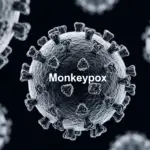
Monkeypox is a viral zoonotic disease caused by the monkeypox virus, a member of the Orthopoxvirus genus, which also includes the variola virus (smallpox). Although monkeypox is less severe than smallpox, it can lead to significant morbidity and, in rare cases, mortality. Read More
 Transmission:1. Animal-to-Human Transmission : Extra Read
This is the primary mode of transmission and occurs through direct or indirect contact with infected animals. The monkeypox virus is believed to be maintained in nature in a range of small mammals, particularly rodents. Transmission can occur through:
- Bites or scratches from an infected animal.
- Direct contact with the blood, bodily fluids, or skin lesions of an infected animal.
- Consumption of inadequately cooked meat or other products from infected animals, a practice known as “bushmeat” consumption.
- Handling of infected animals or animal products, such as skins or carcasses.
2. Human-to-Human Transmission: CHECK FITNESS
While less common, human-to-human transmission can occur and is typically associated with close contact. The modes of human-to-human transmission include:
- Respiratory droplets: Prolonged face-to-face contact can lead to transmission via respiratory droplets. This is more likely to occur in close settings such as households, healthcare facilities, or crowded spaces.
- Direct contact with skin lesions: The virus can be spread through direct contact with the rash, sores, or body fluids of an infected person.
- Indirect contact with contaminated materials: Fomites, such as clothing, bedding, or other materials that have been in contact with the lesions or bodily fluids of an infected person, can harbor the virus and lead to transmission.
3. Vertical Transmission : MENTAL HEALTH GUIDE
- Mother-to-child transmission can occur during pregnancy, leading to congenital monkeypox, or through close contact during and after birth.
4. Sexual Transmission
While not traditionally considered a sexually transmitted infection, recent outbreaks have suggested that monkeypox can be transmitted through close, intimate contact, including sexual activity. This is particularly relevant in the context of skin-to-skin contact with lesions.
Incubation Period and Symptoms:
The incubation period of monkeypox typically ranges from 6 to 13 days but can be as long as 21 days.
Symptoms of Monkeypox : Read More
Monkeypox symptoms typically appear 6 to 13 days after exposure to the virus but can range from 5 to 21 days. The disease progresses through several stages, with symptoms grouped into two main periods:
- Invasion Period:
- Fever: Usually the first symptom, with temperatures often above 38.5°C (101.3°F).
- Headache: Severe and persistent.
- Muscle Aches (Myalgia): Generalized body aches and discomfort.
- Backache: Lower back pain is a common complaint.
- Lymphadenopathy: Swelling of the lymph nodes, which is a distinctive feature of monkeypox compared to other similar diseases like smallpox. The lymph nodes in the neck, armpits, and groin are often affected.
- Fatigue: General weakness and a feeling of malaise.
- Skin Eruption Period: (1-3 Days After Fever)
- Rash: The rash typically begins on the face and then spreads to other parts of the body, including the palms of the hands and soles of the feet. It can also affect the oral mucous membranes, genitalia, and conjunctivae, as well as the cornea.
Other Symptoms
- Respiratory Symptoms: In some cases, patients may experience a sore throat, nasal congestion, or cough.
- Gastrointestinal Symptoms: Nausea, vomiting, and diarrhea can occur, particularly in severe cases.
Severity and Complications:
While most monkeypox infections are self-limiting, complications can occur, particularly in immunocompromised individuals, young children, and pregnant women. These complications can include secondary bacterial infections, pneumonia, sepsis, encephalitis, and corneal infection, which may lead to vision loss.
Diagnocis:
A healthcare provider will use a clinical evaluation and polymerase chain reaction (PCR) testing to confirm if you have Mokeypox. They will examine your body for lesions, which tend to appear and go through stages together.
Treatment :
The goal of treating monkeypox is to take care of the rash, manage pain and prevent complications. Early and supportive care is important to help manage symptoms and avoid further problems.
Prevention and Control:
Preventive measures include avoiding contact with animals that could harbor the virus, practicing good hygiene, and using personal protective equipment (PPE) when caring for patients. The smallpox vaccine, which provides cross-protection against monkeypox, is effective in preventing infection. In response to outbreaks, vaccination campaigns, contact tracing, and quarantine measures are crucial in controlling the spread.
Getting an monkeypox vaccine can help prevent infection. The vaccine should be given within 4 days of contact with someone who has monkeypox (or within up to 14 days if there are no symptoms).
It is recommended for people at high risk to get vaccinated to prevent infection with mpox, especially during an outbreak. This includes:
- health workers at risk of exposure
- men who have sex with men
- people with multiple sex partners
- sex workers.
The vast majority with mpox will recuperate inside 2 a month. What should be done to help the side effects and forestall tainting others:
Do, Read More
-remain at home and in your own room if conceivable
-wash hands frequently with cleanser and water or hand sanitizer, particularly previously or in the wake of contacting bruises
-wear a mask and cover sores when around others until your rash heals.
-keep skin dry and uncovered (except if in a room with another person)
-try not to contact things in shared spaces and clean shared spaces as often as possible
use saltwater washes for ulcers in the mouth
-take sitz baths or warm baths with baking soda or Epsom salts for body sores
-take over-the-counter medications for pain like paracetamol (acetaminophen) or ibuprofen.
Don’t, THE SECOND SUNSET
– pop rankles or scratch ulcers, which can slow healing, spread the rash to different parts of the body, and prompt bruises to become infected; or
-shave regions with wounds until scabs have healed and you have new skin under them (this can spread the rash to different parts of the body).
Hi, i think that i saw you visited my weblog so i came to
“return the favor”.I’mtrying to find things to imprfove my site!I suppoose its ok to
use some of your ideas!! https://Ternopil.Pp.ua/
“Hi there! Thank you for visiting my blog and for your kind words. I’m glad you found some ideas useful for your own site! The blogging community thrives when we share and learn from each other. Feel free to explore more content, and I’d love to see what you create with your improvements. Wishing you all the best with your website!”
My brother suggested I might like this website. He was once totally right.
This submit actually made mmy day. You cann’t believe simply how much time I had spent for this info!
Thanks! http://boyarka-inform.com/
“Thank you so much for your kind words! I’m absolutely thrilled that your brother’s recommendation worked out and that you found value in the content. It means the world to know the time we put into creating resources makes a real difference for readers like you. Wishing you all the best!”