Beyond the Hospital Walls: Your Ultimate Guide to Family Health Home Visits & Clinics
When we think of healthcare, we often picture the sterile, bustling environment of a hospital. But the true heart of community and family health often beats strongest in two key settings: the patient’s own home and the local health clinic. These settings are designed to be accessible, preventative, and deeply integrated into the daily lives of the families they serve. https://besthealthfunda.blogspot.com/
This guide will take you on a detailed tour of these vital healthcare environments. We’ll explore the compassionate art of the home visit and demystify the essential functions of a community health clinic.
Part 1: The Home Visit – Bringing Care to Your Doorstep
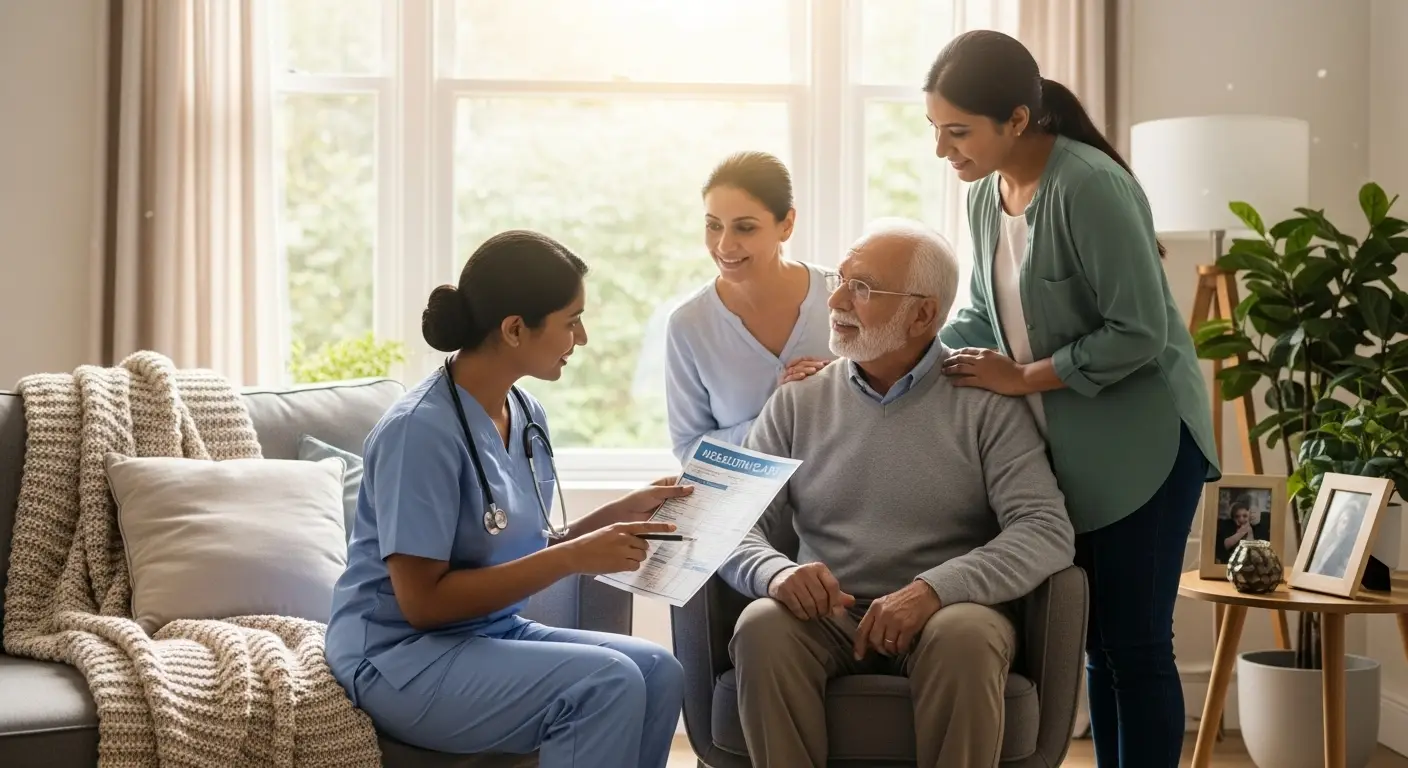
A home visit is a professional, purposeful interaction in a family’s residence by a healthcare provider (like a nurse, midwife, or health worker) to provide care, education, and support. It offers a unique window into a family’s life that is impossible to get in a clinical setting.
- a) Purposes and Principles of a Home Visit
Key Purposes: Epidemiology
- Assessment: To evaluate the health of family members as well as the home environment itself—including safety, sanitation, nutrition, and family dynamics. HEALTH ASSESSMENT
- Health Education: To provide tailored teaching on topics like newborn care, managing a chronic illness (like diabetes), post-surgery recovery, nutrition, or medication management.
- Direct Care Delivery: To perform nursing procedures such as wound dressing, giving injections, monitoring vital signs, or providing physical therapy.
- Case Finding: To identify new health problems or risks within the family that might otherwise go unnoticed.
- Building Rapport: To establish a trusting, therapeutic relationship with the family, which improves communication and adherence to health advice.
- Continuity of Care: To provide follow-up after a hospital discharge, ensuring a smooth transition and preventing readmission.
- Emotional and Psychosocial Support: To counsel families during times of stress, illness, or bereavement.
Guiding Principles:
- Purpose-Driven: Every visit must have a clear, pre-defined objective.
- Family-Centered: The needs and priorities of the family should guide the planning and execution of the visit.
- Promote Independence: The goal is to empower the family to manage their own health, not to create dependence on the healthcare provider.
- Flexibility: The provider must be able to adapt their plan based on the family’s immediate situation and needs.
- Professionalism and Confidentiality: Maintain professional boundaries and respect the family’s privacy at all times.
- Use of Available Resources: Work with the resources the family has and connect them to community support systems.
- b) Planning and Evaluation of a Home Visit
A successful home visit is not spontaneous; it’s a three-phase process.
Phase 1: Planning (Before the Visit) : HEALTH ASSESSMENT
- Review Records: Go over the family’s case file to understand their history, previous issues, and the reason for the visit.
- Set Objectives: Based on the records, define 2-3 specific, achievable goals for the visit. (e.g., “Teach the mother how to properly bathe her newborn,” “Assess the patient’s blood pressure and blood sugar levels.”)
- Schedule the Visit: Contact the family to arrange a convenient time. This shows respect for their schedule.
- Prepare Equipment: Gather all necessary supplies, information pamphlets, and equipment. This is where the Bag Technique comes in.
- Anticipate Needs: Think about potential questions or problems that might arise and be prepared to address them.
Phase 2: Implementation (During the Visit)
- Introduction & Rapport: Greet the family warmly, introduce yourself, and state the purpose of your visit to establish a comfortable atmosphere.
- Assessment: Begin your assessment, observing the environment and interacting with family members.
- Provide Care & Educate: Carry out the planned interventions and health teachings. Involve the family by asking questions and encouraging them to demonstrate skills.
- Summarize & Plan: Before leaving, summarize what was discussed and accomplished. Set a plan for the next visit or for what the family needs to do.
- Address Questions: Leave ample time for the family to ask questions.
Phase 3: Evaluation (After the Visit)
- Documentation: Immediately after the visit, document everything in the family’s record. A common method is SOAP notes (Subjective, Objective, Assessment, Plan). This is crucial for continuity of care.
- Evaluate Objectives: Did you meet the goals you set for the visit? Why or why not?
- Follow-Up: Carry out any necessary follow-up, such as making a referral to another service or consulting with a doctor.
- Restock & Clean: Clean your equipment and restock your bag for the next visit.
- c) The Bag Technique: Your Portable Clean Zone
The Bag Technique is a standardized procedure used by healthcare providers to carry equipment and materials during a home visit in a way that prevents the spread of infection. It turns the nursing bag into a mini, portable clinic.
Purpose:
- To minimize or prevent the spread of microorganisms between the provider, the family, and the community.
- To keep supplies organized, clean, and ready for use.
- To save time and effort during the visit.
Step-by-Step Procedure:
- Placement: Upon entering the home, select a clean, flat, dry surface to place the bag. Lay down a paper or cloth barrier first. Never place the bag on the floor, bed, or a heavily used chair.
- Hand Hygiene: Perform hand washing or use hand sanitizer before opening the bag.
- Opening the Bag: Open the bag, with the pockets and flaps facing you. The “clean” items (e.g., sterile dressings, thermometers, soap) are typically on one side, and the “used/soiled” items area (often a separate plastic-lined pocket) is on the other.
- Removing Items: Take out only the articles you need for the procedure. Place them on the clean barrier.
- Performing the Procedure: Provide the necessary care to the patient.
- Hand Hygiene (Again): After the procedure and before touching clean items, perform hand hygiene again.
- Returning Items: Clean and disinfect any reusable items (like a thermometer) before returning them to the bag. Place any disposable waste in a designated trash bag (which you will dispose of properly).
- Closing the Bag: Return all clean items to their proper place and securely close the bag.
- Final Documentation: Document the visit and the care provided.
Part 2: The Community Hub – The Role of Health Clinics: YOGA IN NURSING CARE
Clinics, also known as health centers or outpatient departments (OPDs), are healthcare facilities that provide care to ambulatory patients (those who are not bedridden). They are the cornerstone of primary healthcare.
- d) Purposes, Types, and Functions of Clinics : https://besthealthfunda.blogspot.com/
General Purposes of Clinics:
- Accessibility: To provide a first point of contact for non-emergency health issues.
- Prevention: To focus on preventative services like immunizations, health screenings, and health education.
- Management: To manage chronic diseases (e.g., hypertension, asthma) on an ongoing basis.
- Referral Gateway: To act as a gatekeeper, referring patients to specialists or hospitals when more advanced care is needed.
Types of Clinics and Their Functions:
- General Out-Patient Clinics (OPDs):
- Function: Provide comprehensive primary care for common illnesses (colds, infections), minor injuries, and general health check-ups. They are the “family doctor” setting for a community.
- Maternal and Child Health (MCH) Clinics:
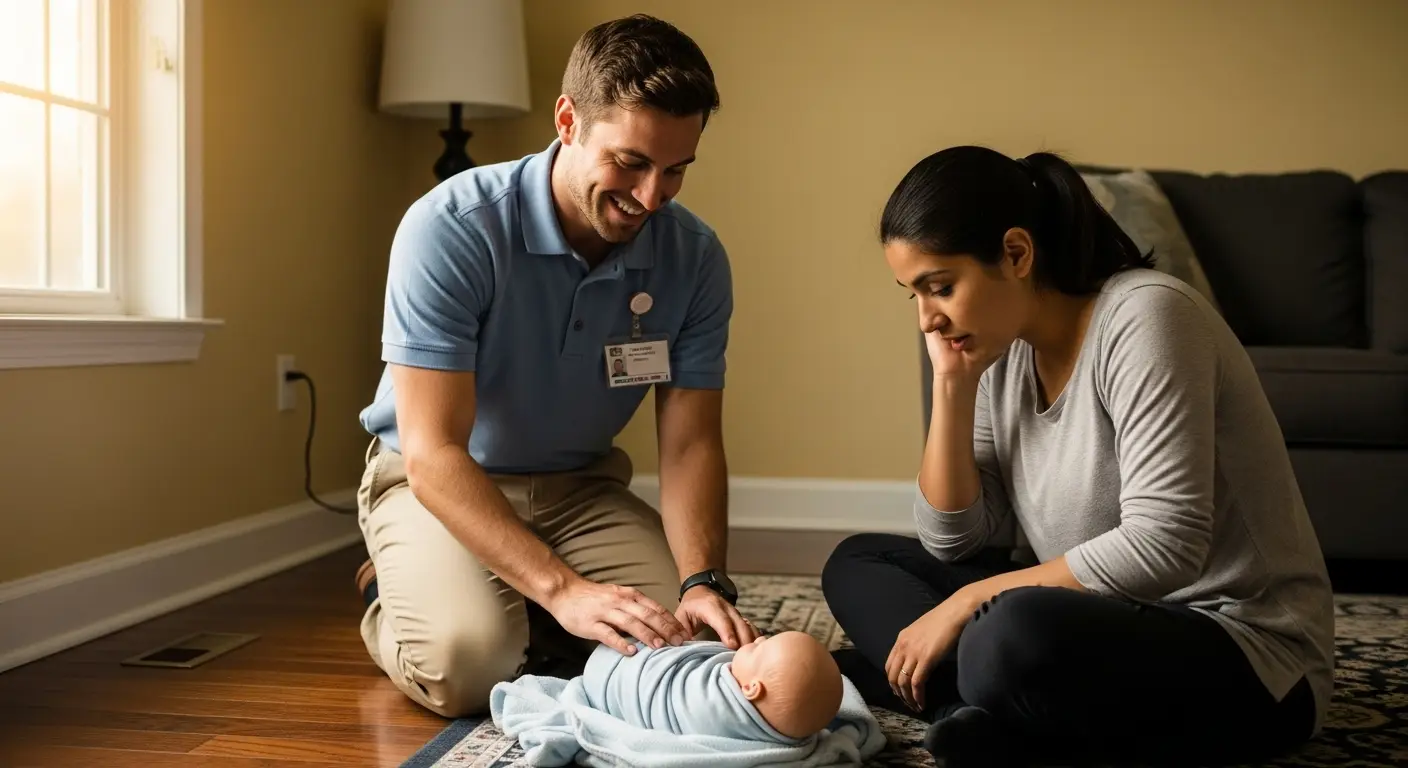
- Function: Focus on the health of mothers and children. Services include antenatal care (for pregnant women), postnatal care (after delivery), family planning services, immunizations for infants and children, and growth monitoring.
- Specialty Clinics:
- Function: Focus on a specific disease or population. Examples include Diabetes Clinics, Cardiology Clinics, Dermatology Clinics, Geriatric (Elderly) Clinics, or HIV/AIDS clinics. They provide specialized management and follow-up.
- Mobile Clinics:
- Function: These are “clinics on wheels” (often a van or bus) equipped to provide basic medical services to remote, rural, or underserved urban areas that lack a permanent health facility.
- Industrial or Workplace Clinics:
- Function: Located within a company or factory, they address occupational health issues, conduct pre-employment health screenings, and manage work-related injuries.
- School Health Clinics:
- Function: Provide first aid, manage common childhood illnesses, administer medications, and conduct health screenings for students within a school.
- e) Functions of Health Personnel in Clinics
Clinics operate through the coordinated effort of a diverse team.
- Physician / Doctor:
- Leads the clinical team.
- Diagnoses illnesses, develops treatment plans, and prescribes medication.
- Performs minor surgical procedures.
- Nurse Practitioner (NP) / Physician Assistant (PA):
- Often serve as primary care providers.
- They can diagnose and treat illnesses, order tests, and prescribe medications, working either independently or in collaboration with a physician.
- Registered Nurse (RN) / Community Health Nurse:
- The backbone of the clinic.
- Performs patient triage (assessing urgency), takes vital signs, administers medications and immunizations, provides extensive patient education, and coordinates care between different providers.
- Medical Assistant (MA) / Nursing Assistant: https://besthealthfunda.blogspot.com/
- Supports the clinical team by preparing patients for exams, taking medical histories, drawing blood, and handling administrative tasks.
- Pharmacist:
- Dispenses medications, counsels patients on correct usage and potential side effects, and checks for drug interactions.
- Health Educator / Counselor:
- Provides specialized education on topics like nutrition, smoking cessation, or disease management. Offers counseling and support.
- Administrative Staff (Receptionist, Clerk):
- The face of the clinic. They manage appointments, patient records, billing, and ensure a smooth flow of patients through the clinic.

For Unlimited AI Tool Create.
Click Below Link