The Heart of Healthcare: A Deep Dive into Family Health Nursing Care :
In the world of healthcare, we often focus on the individual patient—their symptoms, their diagnosis, their treatment. But what if we zoomed out? What if we saw that individual not as an island, but as part of a complex, interconnected system that profoundly influences their health?
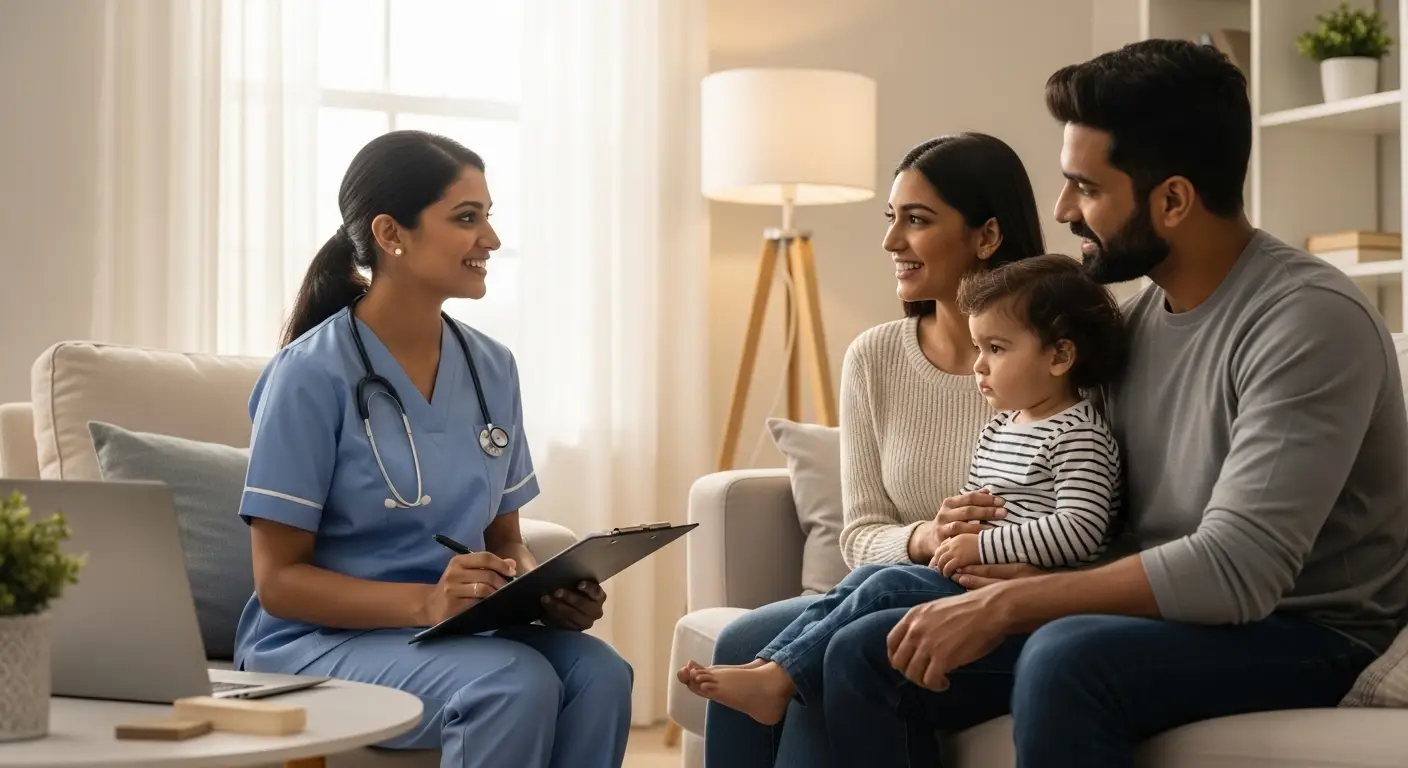
This is the foundational principle of Family Health Nursing. It’s a holistic approach that recognizes that families, not just individuals, are the basic unit of health and illness.
This blog will guide you through the essential concepts of Family Health Nursing, from its core philosophy to the practical tools nurses use to care for families every day. Epidemiology
- a) The Family as a Unit of Health: https://besthealthfunda.blogspot.com/
The core idea of family health nursing is a paradigm shift: the family is the patient. An individual’s health status, beliefs, and behaviors are inseparable from their family’s.
Consider these points: AIWrappers Mega Unlimited
- Shared Environment: A family shares a home, which means they are exposed to the same environmental risks (e.g., poor sanitation, unsafe housing) or benefits (e.g., a clean, supportive home).
- Shared Genetics: Many health conditions have a genetic component. Understanding the health history of grandparents, parents, and siblings can help identify risks for the entire family.
- Shared Lifestyle: Habits around diet, exercise, smoking, and alcohol use are often shared or heavily influenced by the family unit. A diet plan for one diabetic member affects the entire family’s grocery list and meal preparation.
- Emotional & Social Support: The family is the primary source of emotional support. A supportive family can significantly improve a patient’s recovery, while a dysfunctional family environment can be a major barrier to health.
- Cultural & Health Beliefs: How a family perceives illness, when they seek care, and what home remedies they trust are all learned and reinforced within the family structure.AIWrappers Mega Unlimited
By treating the family as the unit of care, a nurse can address the root causes of health problems and create sustainable, positive change that benefits every member.
- b) Concept, Goals, and Objectives :
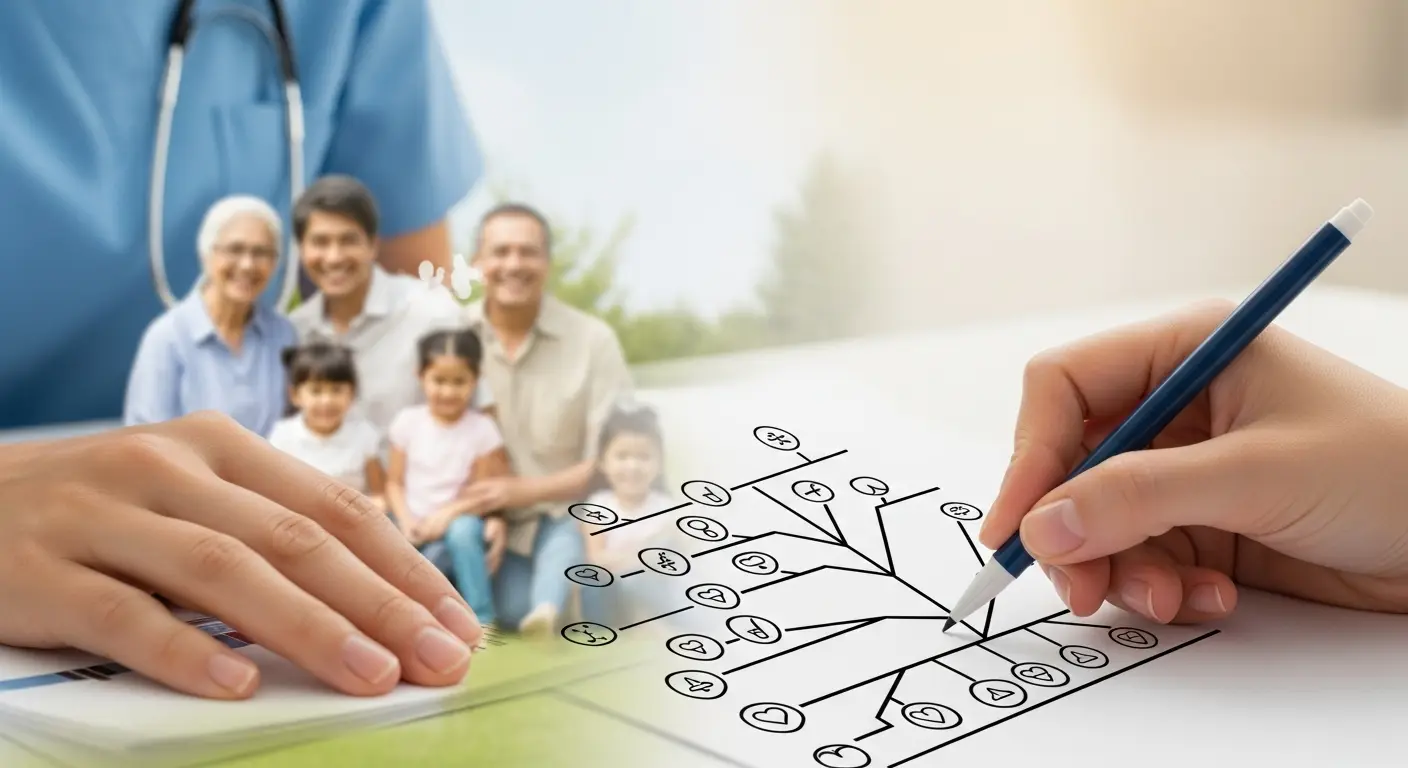
Concept: Family Health Nursing is a specialized field of nursing that provides holistic, continuous, and comprehensive care to the family as a whole. It is a collaborative process where the nurse works with the family to empower them to achieve optimal health and well-being.
Goals (The Big Picture): https://besthealthfunda.blogspot.com/
The overarching goals of family health nursing are:
- Optimal Family Health: To help the family unit achieve the highest possible level of physical, social, and emotional well-being.
- Family Self-Reliance: To empower the family with the knowledge, skills, and confidence to manage their own health needs and make informed decisions.
- A Healthy Environment: To assist the family in creating a safe and supportive home and community environment that promotes health.
Objectives (The Specific Steps):
To achieve these goals, nurses focus on specific, measurable objectives:
- Identify the family’s health and nursing needs through assessment.
- Ensure the family recognizes its own health needs.
- Develop a comprehensive care plan with the family.
- Provide health education on topics like nutrition, hygiene, and disease prevention.
- Help the family effectively use available community resources (e.g., clinics, social services).
- Prevent disease and promote health through screenings and immunizations.
- Provide direct nursing care for existing health problems.
- c) Family Health Care Services:
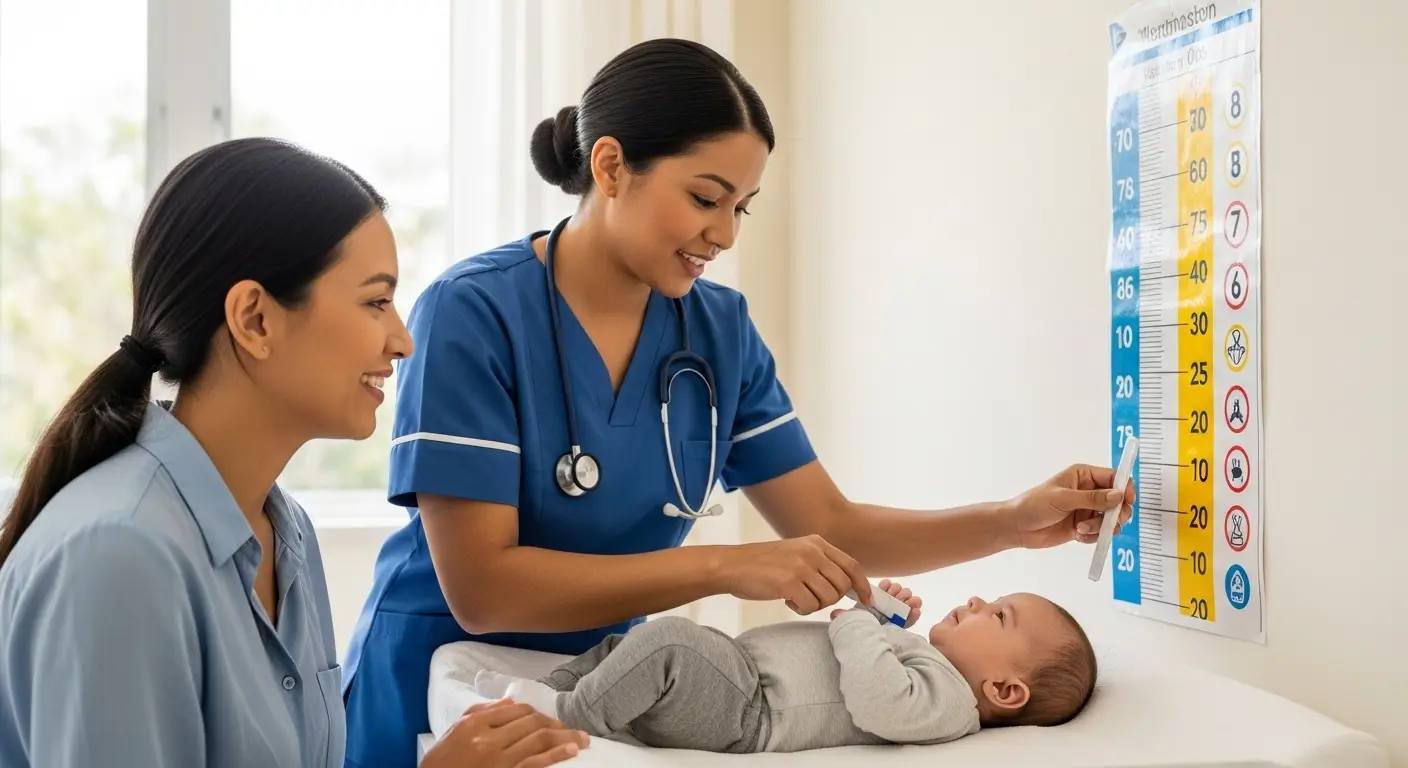
Family health care services are not a single action but a broad spectrum of activities designed to meet the family’s needs across their lifespan. These can be categorized as:
- Promotive Services: Activities that enhance well-being.
- Examples: Health education on balanced nutrition, stress management techniques, parenting skills, and creating a healthy lifestyle.
- Preventive Services: Actions taken to prevent disease from occurring.
- Examples: Immunization programs, family planning counseling, cancer screenings (e.g., Pap smears, mammograms), and teaching proper handwashing.
- Curative Services: Direct care to treat illness and health problems.
- Examples: Home care for a sick member (e.g., wound dressing, administering medication), diagnosis and treatment of common illnesses, and referral to specialists.
- Rehabilitative Services: Helping individuals return to their optimal level of functioning after an illness or injury.
- Examples: Assisting a family member with post-stroke exercises, connecting the family with mental health counseling, or providing support for managing a chronic disability.
- d) The Family Health Care Plan and Nursing Process :
The Family Health Nursing Process is a systematic, organized framework for delivering care. It is a circular, ongoing process often remembered by the acronym ADPIE.https://besthealthfunda.blogspot.com/
- Assessment: This is the information-gathering phase. The nurse collects data about the entire family, including:
- Demographics (age, gender, relationships).
- Health history of all members.
- Family dynamics and communication patterns.
- The physical home environment (e.g., sanitation, water supply, safety).
- The family’s knowledge and attitudes about health.
- Diagnosis: The nurse analyzes the assessment data to identify the family’s health problems, risks, and strengths. Nursing diagnoses are framed in terms of the family, such as “Ineffective family coping,” “Risk for infection among household members,” or “Readiness for enhanced family nutrition.”
- Planning: This is a collaborative step. The nurse and family work together to set realistic, measurable, and achievable goals. The plan outlines:
- What needs to be done.
- Who will do it.
- When it will be done.
- What resources are needed. https://besthealthfunda.blogspot.com/
- Implementation: This is the action phase where the plan is put into motion. The nurse may:
- Provide direct nursing care.
- Educate and demonstrate skills (e.g., how to check blood sugar).
- Counsel the family.
- Coordinate with other health professionals.
- Connect the family to community resources.
- Evaluation: The nurse and family review the progress toward the goals. Was the plan effective? Were the goals met? Based on the evaluation, the plan may be continued, modified, or terminated.
- e) Key Family Health Services: Maternal, Child Care, and Family Welfare
Certain areas of family health are so critical they receive special focus:
- Maternal Health Services: This covers the health of women during pregnancy, childbirth, and the postpartum period. It includes:
- Antenatal (Prenatal) Care: Regular check-ups, nutritional counseling, tetanus toxoid immunization, and preparation for birth.
- Intranatal Care: Assisting with a safe and clean delivery.
- Postnatal Care: Monitoring the mother’s recovery, supporting breastfeeding, providing family planning counseling, and screening for postpartum depression.
- Child Health (Pediatric) Care: Focused on ensuring children grow and develop into healthy adults. Key components are:
- Growth Monitoring: Regularly tracking weight and height.
- Immunization: Protecting against major vaccine-preventable diseases.
- Nutrition: Promoting breastfeeding and a balanced diet.
- Developmental Milestones: Assessing physical, cognitive, and social development.
- Management of Childhood Illnesses: Promptly diagnosing and treating common ailments like diarrhea, respiratory infections, and fever.
- Family Welfare Services: This is a broader concept aimed at the overall well-being of the family. A cornerstone of this is family planning, which involves:
- Educating couples on the benefits of spacing births.
- Providing information and access to various contraceptive methods.
- Allowing families to choose the number and timing of their children, which has a direct impact on the health of the mother and children, as well as the family’s economic stability.
- f) Roles and Functions of a Community Health Nurse
The community health nurse is the key figure in delivering family health services. They wear many hats, including:
- Health Educator: Teaching families how to stay healthy.
- Clinician/Care Provider: Giving direct, hands-on care.
- Counselor: Providing emotional support and guidance on health and social problems.
- Advocate: Speaking up for the family and ensuring they get the services they need.
- Case Manager/Coordinator: Linking the family to doctors, social workers, and other community resources.
- Researcher: Using data from family records to identify trends and improve care for the entire community.
- Role Model: Demonstrating healthy behaviors and a professional attitude.
- g) Family Health Records:
A family health record or family folder is the central repository of information for the family unit. It is much more than an individual patient chart.
What it contains:
- A genogram or family tree showing relationships and health history.
- Demographic and socioeconomic data.
- Environmental assessment of the home.
- Individual health history, immunization records, and growth charts for all members.
- Records of ongoing health problems and the nursing care plan.
- Notes on visits, interventions, and the family’s progress.
Its Purpose:
- Continuity of Care: Ensures any nurse or doctor can quickly understand the family’s complete health picture.
- Planning & Evaluation: Provides the data needed to plan and evaluate care.
- Legal Document: Serves as a legal record of the care provided.
- Research & Surveillance: The data can be used to monitor the health of the community.