
🩺 Health Assessment: A Comprehensive Guide Across the Life Span :
Health assessment is the systematic method of collecting and analyzing data to evaluate the physical, mental, and emotional well-being of individuals at every stage of life. It is a core component of nursing and medical care, helping professionals provide individualized, evidence-based interventions.
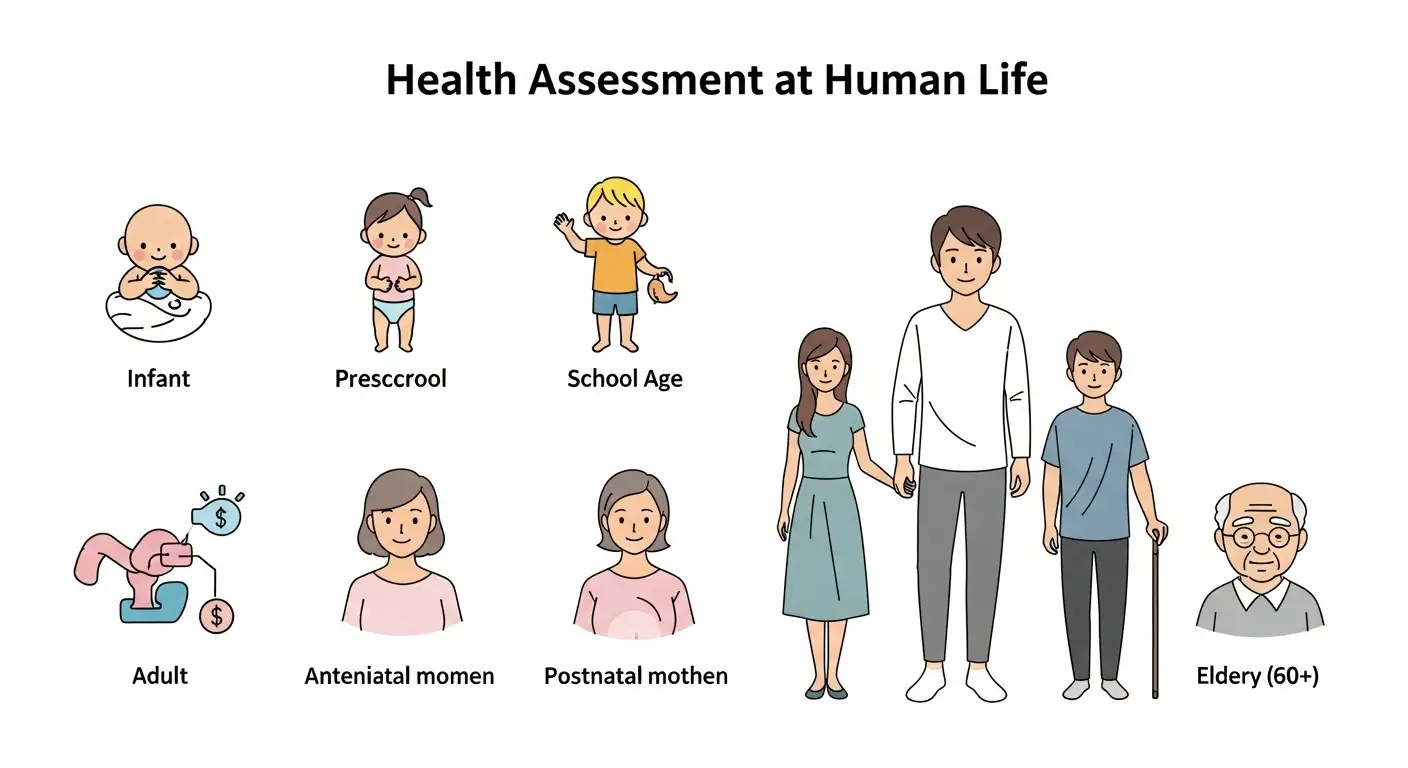
✅ A) Characteristics of a Healthy Individual
A healthy individual is not just someone free from illness, but someone who demonstrates a state of physical, mental, and social well-being. Key characteristics include:
🔹 Physical Health:
- Normal vital signs (BP, pulse, temperature, respiration)
- Healthy body weight & BMI
- Active without fatigue or breathlessness
- Proper functioning of all systems (cardio, respiratory, GI, CNS, etc.)
🔹 Mental & Emotional Well-being:
- Positive self-image
- Ability to manage stress and emotions
- Clear thinking and decision-making
🔹 Social Well-being:
- Healthy relationships with family and peers
- Effective communication and social skills
- Participation in community activities
🔹 Nutritional Balance:
- Consumes a balanced diet
- Good hydration and digestion
- No vitamin or mineral deficiencies
🔹 Hygiene & Lifestyle:
- Maintains personal and environmental hygiene
- Avoids smoking, alcohol, and substance abuse
- Regular physical activity and adequate sleep
🧸 B) Health Assessment Across the Life Span HEALTH EQUALITY
Each age group requires a tailored health assessment, based on their growth stage and risk factors.
Health Assessment of Infants (0–1 Year)
The first year of life is a critical period for physical, cognitive, and emotional development. A systematic health assessment helps track normal growth patterns, detect developmental delays, and identify early health concerns. Here’s a detailed breakdown of the key assessment areas for infants:
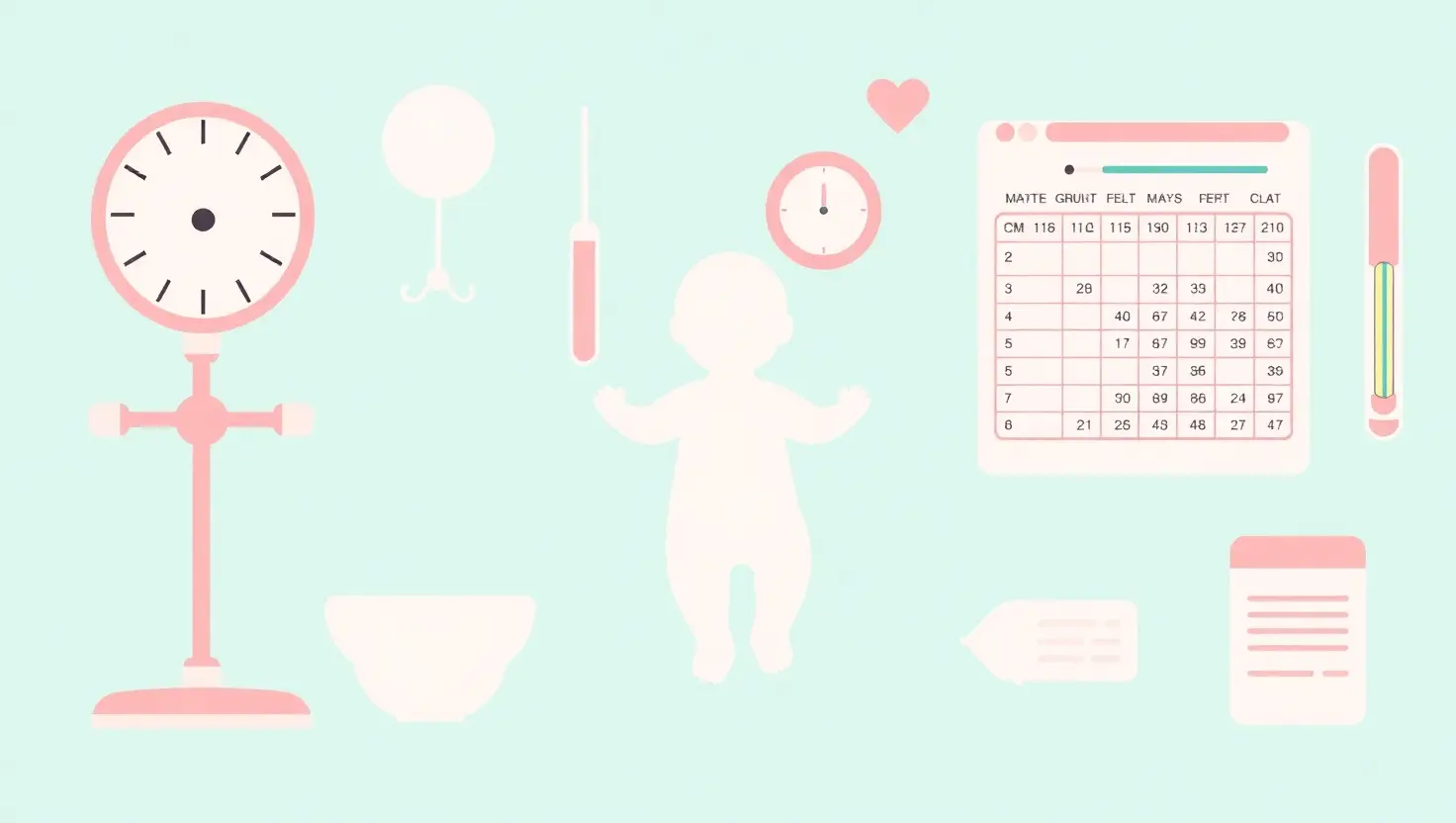
📏 1. Growth Monitoring
Monitoring physical growth is essential to assess the infant’s nutritional status and overall health.
- Height/Length – Measured while the infant is lying flat (recumbent length). Growth should follow the percentile chart consistently.
- Weight – Regular weight checks help ensure appropriate weight gain. Weight typically doubles by 5 months and triples by 1 year.
- Head Circumference – Assesses brain growth. It should increase steadily, about 1.5 cm/month for the first 6 months, then slows down.
🍼 2. Feeding Pattern
Understanding the infant’s nutrition is key to evaluating overall well-being.
- Breastfeeding – Ideally exclusive for the first 6 months. The infant should latch properly and feed at least 8–12 times per day initially.
- Formula Feeding – Measured for quantity, preparation hygiene, and tolerance (e.g., no vomiting or colic).
- Weaning – Introduction of semisolid foods starts around 6 months. Assessment includes acceptance of food and absence of allergies or choking hazards.
🧠 3. Developmental Milestones
Tracking developmental milestones ensures the infant is growing and learning as expected.
- By 3 Months – Smiles socially, follows objects with eyes, lifts head during tummy time.
- By 6 Months – Rolls over, babbles, begins sitting with support.
- By 9 Months – Crawls, responds to name, transfers objects hand to hand.
- By 12 Months – Stands with or without support, may say basic words like “mama” or “dada”.
💉 4. Immunization Status
Timely vaccinations are critical for disease prevention.
- Assess adherence to the immunization schedule (e.g., BCG, OPV, DPT, Hepatitis B, MMR).
- Check for any vaccine-related reactions and parental understanding of follow-up doses.
👶 5. Primitive Reflexes
Neurological development is assessed through reflex testing:
- Moro Reflex – Startle reflex when the infant is suddenly moved.
- Rooting Reflex – Touching the cheek causes the infant to turn head and open mouth.
- Sucking Reflex – Present from birth; important for feeding.
- Palmar and Plantar Grasp – Infant grasps finger or object placed in hand or sole.
- Most reflexes disappear by 4–6 months, except for protective reflexes.
🌙 6. Sleep Pattern & Hygiene
Good sleep and hygiene contribute to optimal growth.
- Sleep Pattern – Newborns sleep 14–17 hours a day, which gradually consolidates into longer nighttime sleep with fewer naps.
- Sleep Safety – Safe sleep practices include placing the baby on their back, using a firm mattress, and avoiding soft toys in the crib.
- Hygiene – Includes regular bathing, clean clothing, proper umbilical cord care, and maintaining diaper hygiene to avoid rashes.
Health Assessment of a Preschool Child (1–5 Years) AIWrappers Commercial information
The preschool years (ages 1–5) are a crucial period in a child’s physical, emotional, and cognitive development. During this time, regular health assessments help identify growth delays, developmental concerns, or nutritional deficiencies. Below are the key areas to focus on when conducting a comprehensive health assessment of preschool children: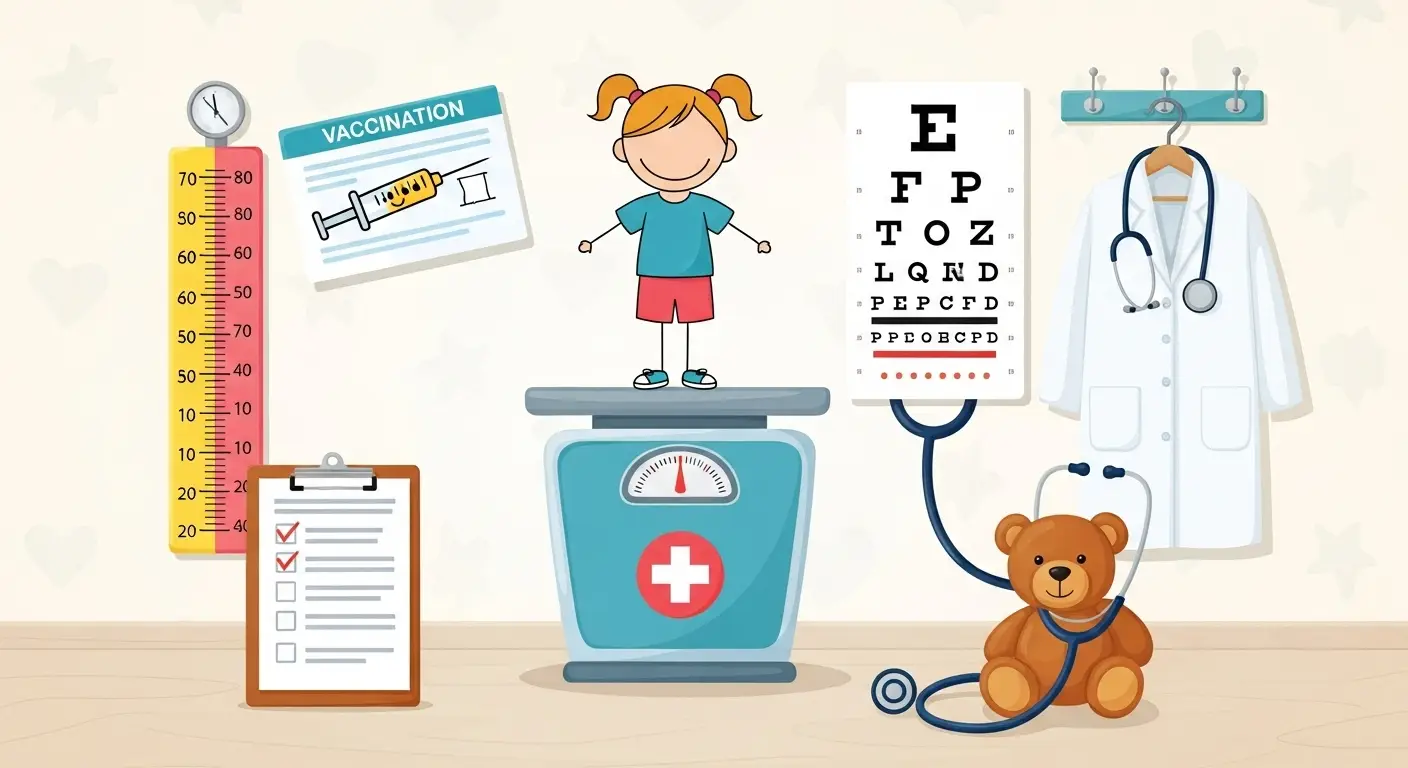
📈 1. Growth Charting
Monitoring the child’s growth using standard growth charts is essential.
- Height and Weight: Regular measurement helps track growth patterns and detect deviations.
- Head Circumference: Especially for children under 3 years, to monitor brain development.
- BMI (Body Mass Index): To assess whether the child is underweight, healthy weight, overweight, or obese.
📌 Tip: Use WHO or national pediatric growth standards for comparison.
🥗 2. Nutritional Intake and Eating Habits
Proper nutrition is vital to ensure adequate growth and immunity.
- Meal Patterns: Assess if the child has regular meals and snacks.
- Food Preferences: Identify picky eating behaviors or refusal of specific food groups.
- Iron, Calcium, and Vitamin D Intake: Crucial nutrients to support physical and neurological development.
📌 Tip: Engage parents in creating a colorful, balanced plate for each meal.
🗣️ 3. Speech and Language Development
Language development is a key cognitive milestone.
- Vocabulary Growth: A 3-year-old typically uses 200+ words; by 5, they form complete sentences.
- Understanding and Following Instructions: Should improve steadily with age.
- Hearing Assessment: Essential to rule out hearing impairment as a cause of speech delay.
📌 Tip: Reading aloud daily and conversational engagement boosts language skills.
🚽 4. Toilet Training
Toilet training is a major developmental milestone between 2 to 4 years.
- Readiness Signs: Staying dry for 2+ hours, recognizing urge to go, and expressing the need.
- Day vs. Night Control: Night-time control often takes longer.
- Toilet Independence: Encouraging handwashing and self-care post-toilet use.
📌 Tip: Patience, consistency, and positive reinforcement are key.
👀👂 5. Vision and Hearing Check-Ups
Early screening is crucial for learning and social development.
- Vision: Strabismus (crossed eyes), squinting, or sitting too close to the TV are signs of concern.
- Hearing: Lack of response to sounds or unclear speech could indicate hearing loss.
📌 Tip: Use age-appropriate screening tools in collaboration with specialists.
🧠 6. Cognitive and Social Behavior
Preschool years are marked by rapid learning and emotional expression.
- Cognitive Milestones: Recognizing shapes, colors, numbers, and solving simple puzzles.
- Social Interaction: Playing with peers, sharing, and following rules indicate healthy development.
- Behavioral Concerns: Excessive aggression, hyperactivity, or withdrawal may require evaluation.
📌 Tip: Observe behavior both in structured settings and free play.
🦷 7. Dental Check-Ups for Early Caries
Dental hygiene starts early and affects general health.
- First Dental Visit: Recommended by the first birthday.
- Tooth Brushing Habits: Twice daily with fluoridated toothpaste.
- Check for Caries: Especially if the child is bottle-fed or consumes sugary snacks.
📌 Tip: Educate parents on proper brushing techniques and avoiding prolonged bottle use.
Health Assessment of a School-Going Child (6–12 Years) AIWrappers Mega Unlimited information
Health assessment in school-age children plays a critical role in early identification of physical, psychological, and developmental issues. Children between the ages of 6 to 12 undergo rapid growth, cognitive development, and increased social interaction — making regular health checkups essential for overall wellness.
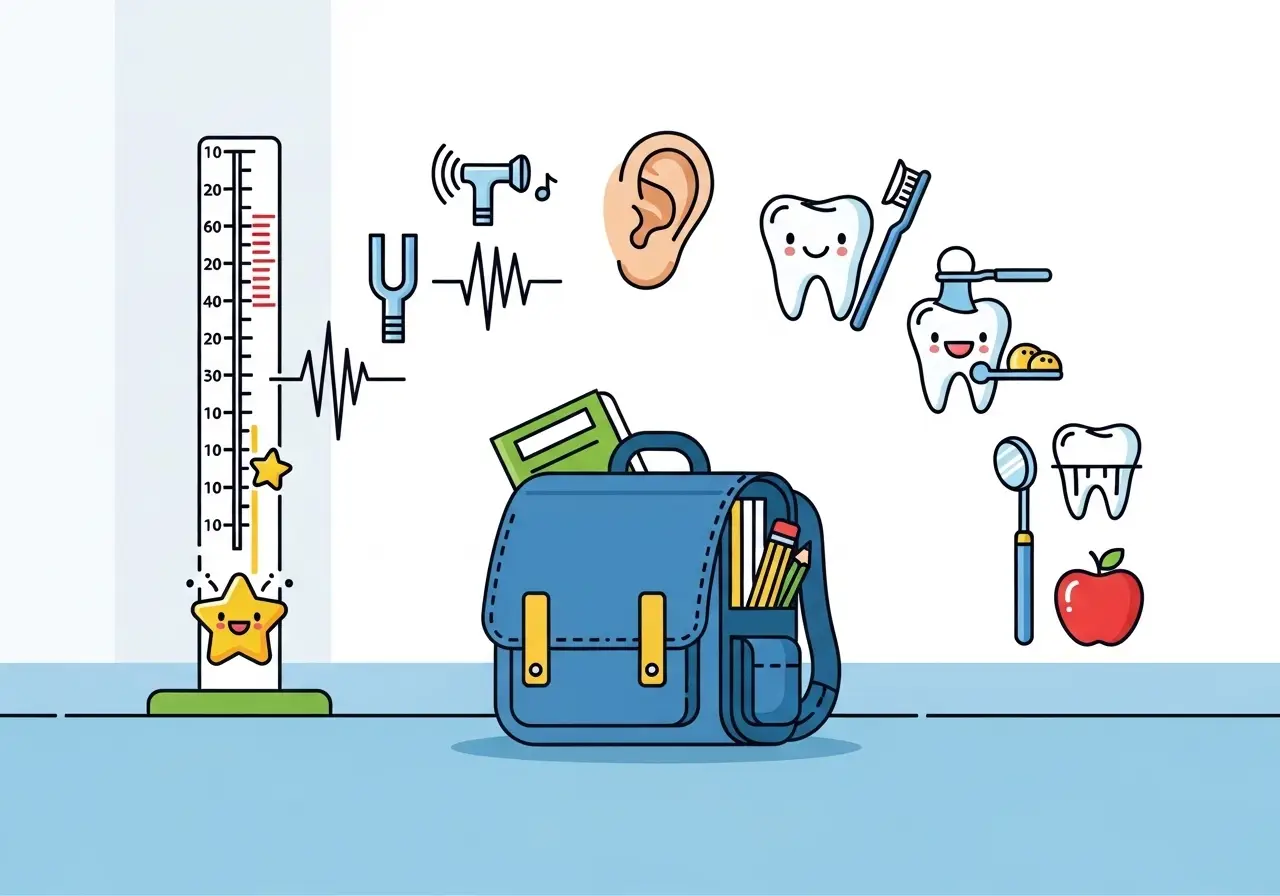
📏 1. Height and Weight Assessment
Monitoring a child’s growth is vital to ensure they are developing at a healthy rate.
- Height: Should increase by approximately 5–6 cm per year.
- Weight: Average gain of 2–3 kg per year is considered normal.
- BMI (Body Mass Index): Regular tracking helps detect undernutrition or obesity early.
📌 Tip: Use standard growth charts (e.g., WHO or CDC) for accurate comparison.
👁️👂 2. Vision and Hearing Screening
Early identification of sensory impairments ensures timely intervention.
- Vision Tests: Check for myopia, hyperopia, astigmatism.
- Hearing Tests: Evaluate for any conductive or sensorineural hearing loss.
- Signs to watch: Squinting, difficulty reading the board, inattentiveness, or turning head to hear.
💉 3. Immunization Updates
Ensure the child is up to date with all mandatory and recommended vaccines.
Common Vaccines in This Age Group Include:
- DPT (Diphtheria, Pertussis, Tetanus) booster
- MMR (Measles, Mumps, Rubella)
- Varicella (chickenpox)
- Hepatitis A and B
- Typhoid and Influenza
✅ Keep immunization records updated and follow national/state guidelines.
🧠 4. Psychological and Academic Performance
Cognitive and emotional health is as important as physical well-being.
- Academic Assessment: Track learning abilities, focus, and memory.
- Mental Health: Look for signs of anxiety, stress, low self-esteem, or behavioral problems.
- Learning Disorders: Be alert for dyslexia, ADHD, etc.
🧩 Involve teachers and counselors to create a supportive learning environment.
👬 5. Peer Relationships and Social Skills
Social development strongly influences a child’s confidence and emotional health.
- Evaluate how the child interacts with peers.
- Check for signs of bullying, isolation, or aggressive behavior.
- Encourage teamwork, communication, and problem-solving skills.
❤️ Healthy peer relationships support emotional intelligence and resilience.
🧼 6. Hygiene Practices (Dental and Personal)
Good hygiene practices prevent infections and promote self-care habits.
- Dental Hygiene: Regular brushing, flossing, and dental check-ups.
- Personal Hygiene: Bathing, nail trimming, clean clothes, and hair care.
- Menstrual Hygiene (for girls nearing puberty): Educate sensitively.
🪥 Encourage independence and regular hygiene routines.
🏃 7. Posture and Physical Activity Levels
Active children are healthier and better learners.
- Posture Check: Prevent early signs of scoliosis or kyphosis.
- Screen Time: Limit it to recommended hours.
- Physical Activity: Minimum 60 minutes of active play daily.
- Promote sports, yoga, and outdoor games for physical fitness.
Health Assessment in Adolescents (13–19 Years) AIWrappers Bundle Deal information
Adolescence is a critical period of growth and change, both physically and emotionally. A comprehensive health assessment during this stage helps in early identification of health risks and promotes positive development.
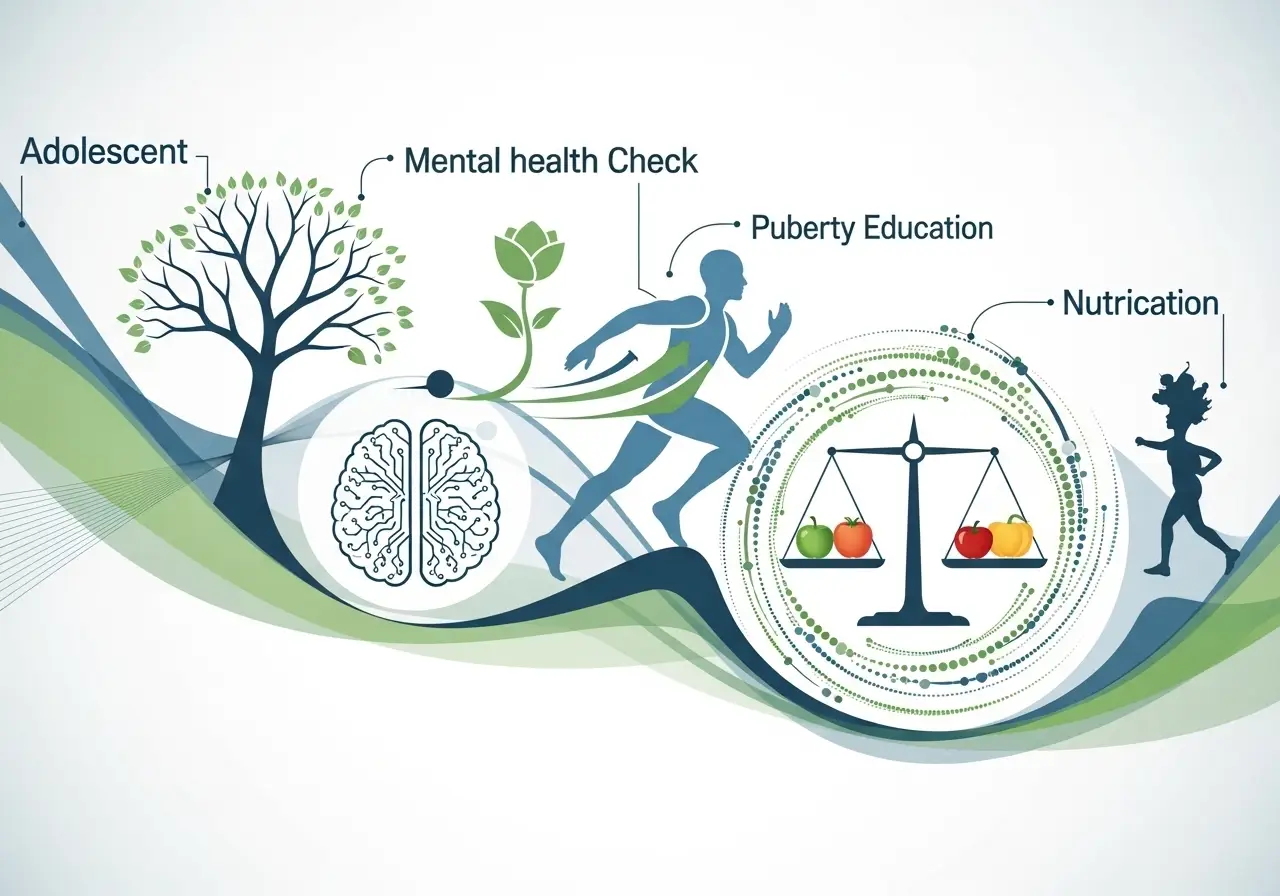
✅ Key Areas of Assessment:
- Puberty and Sexual Health Education
- Assess the stage of puberty using Tanner Staging.
- Address concerns related to physical changes, acne, or sexual curiosity.
- Educate on safe sexual practices, contraception, and prevention of STIs.
- Discuss gender identity and sexual orientation respectfully and confidentially.
- Mental Health Screening
- Screen for common adolescent mental health concerns:
- Depression
- Anxiety
- Mood swings
- Self-esteem issues
- Ask open-ended questions about feelings, coping strategies, and peer relationships.
- Observe for signs of peer pressure, social withdrawal, or self-harm behavior.
- Use tools like PHQ-9 or GAD-7 for a more formal screening.
- Menstrual History (For Females)
- Age of menarche (first period)
- Regularity, duration, and flow of menstrual cycles
- Presence of dysmenorrhea (painful periods), PMS, or any irregularities
- Education on menstrual hygiene and cycle tracking
- Risk Behavior Screening
- Substance use: Inquire about use of tobacco, alcohol, and recreational drugs.
- Sexual activity: Assess risk for sexually transmitted infections or unplanned pregnancy.
- Online safety: Discuss exposure to inappropriate content or cyberbullying.
- Use screening questionnaires like HEEADSSS (Home, Education, Eating, Activities, Drugs, Sexuality, Suicide).
- Nutritional Habits and Body Image
- Evaluate diet history and eating patterns (meals skipped, junk food, hydration).
- Look for signs of eating disorders (anorexia, bulimia).
- Discuss body image, healthy weight goals, and peer comparisons.
- Provide guidance on balanced nutrition and physical activity.
- Academic Stress and Emotional Wellness
- Discuss school performance, relationships with teachers and peers.
- Screen for exam anxiety, bullying, and burnout.
- Offer techniques for stress management (journaling, physical exercise, mindfulness).
- Refer to counseling or mental health professionals if needed.
👩⚕️ Tips for Conducting the Assessment:
- Ensure privacy and confidentiality.
- Use non-judgmental and open-ended questions.
- Encourage self-expression and provide a safe space.
- Involve parents when appropriate, but also respect adolescent autonomy.
Health Assessment for Adults (20–59 years) NURSING INFORMATICS
Maintaining optimal health in adulthood is crucial to prevent long-term complications and ensure a productive, fulfilling life. A comprehensive health assessment at this stage includes physical, mental, and lifestyle evaluations. Here’s a breakdown of the key areas to assess:
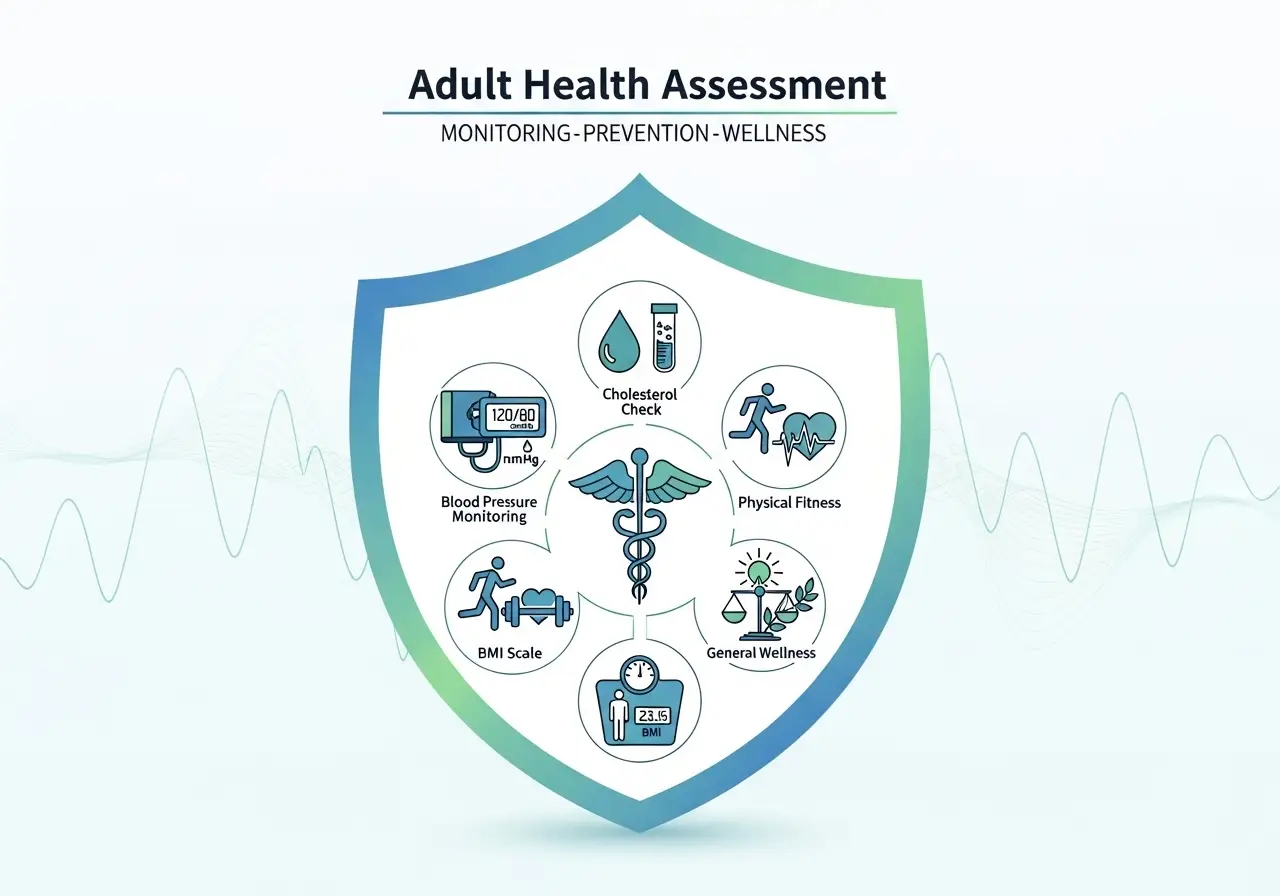
✅ 1. Vital Signs Check
Regular monitoring of vital signs gives a snapshot of overall health:
- Blood Pressure (BP): Early detection of hypertension can prevent cardiovascular issues.
- Pulse Rate: Abnormalities can indicate cardiac conditions.
- Respiration Rate: Assesses respiratory health and potential stress indicators.
- Body Temperature: Identifies infections or metabolic disturbances.
⚖️ 2. Body Mass Index (BMI) & Lifestyle Habits
- BMI helps determine if the person is underweight, healthy, overweight, or obese.
- Diet and Physical Activity: Nutritional habits and exercise routines are discussed to promote healthy weight management.
- Substance Use: Inquiry about smoking, alcohol, or drug use is essential.
🩺 3. Screening for Chronic Diseases
- Diabetes: Fasting blood sugar or HbA1c levels to detect prediabetes or diabetes.
- Hypertension: Consistent BP monitoring to prevent cardiovascular damage.
- Cholesterol Levels: For heart health and stroke risk.
❤️🔥 4. Sexual and Reproductive Health
- For Women: Menstrual history, contraception, Pap smears, breast exams.
- For Men: Prostate health checks, STI screenings, sexual function assessment.
- All Adults: Counseling on safe sex practices and regular STI testing.
🧠 5. Mental Health Screening
- Stress and Anxiety: Identifying triggers and coping mechanisms.
- Depression: Use of screening tools like PHQ-9.
- Sleep Patterns: Evaluating insomnia, fatigue, or sleep apnea.
🧯 6. Occupational and Environmental Risks
- Workplace Hazards: Noise, chemicals, ergonomic issues.
- Environment: Exposure to pollution, allergens, or unsanitary conditions.
- Preventive Measures: Use of PPE (Personal Protective Equipment) and safety training.
💤 7. Sleep, Stress, and Exercise Routine
- Sleep Duration & Quality: At least 7–8 hours per night is ideal.
- Stress Levels: Impact of work-life balance, finances, and relationships.
- Exercise Habits: Type, frequency, and intensity of physical activity.
Health Assessment for Antenatal Woman :
Antenatal care plays a vital role in ensuring the health and well-being of both the mother and the developing fetus. Regular and comprehensive health assessments allow healthcare professionals to monitor maternal and fetal health, detect potential complications early, and provide the necessary education and support throughout the pregnancy.

✅ Key Components of Antenatal Health Assessment
- Confirmation of Pregnancy & LMP
- The first step in antenatal assessment involves confirming the pregnancy through a urine or blood pregnancy test.
- Accurate documentation of the Last Menstrual Period (LMP) is essential to estimate the Expected Date of Delivery (EDD).
- An obstetric history is taken to assess previous pregnancies, miscarriages, or complications.
- Monitoring Weight Gain
- Regular monitoring of maternal weight gain helps assess fetal growth and maternal nutritional status.
- Recommended weight gain varies depending on pre-pregnancy BMI, generally 11–16 kg for women with normal BMI.
- Sudden or excessive weight gain may indicate fluid retention or preeclampsia.
- Fetal Heart Sounds & Movements
- Fetal heart tones (FHT) are usually heard from 10–12 weeks gestation using a Doppler device.
- From the second trimester onwards, the mother is encouraged to track fetal movements as an indicator of fetal well-being.
- Any decrease in fetal movement should be reported immediately.
- Blood Pressure & Hemoglobin Levels
- Blood pressure (BP) is checked at every visit to monitor for preeclampsia.
- Persistent readings above 140/90 mmHg are concerning.
- Hemoglobin levels are assessed to detect anemia, common in pregnancy.
- Normal Hb level in pregnancy: >11 g/dL.
- Iron supplementation is usually initiated if anemia is detected.
- Ultrasound and Fetal Assessments
- Routine ultrasounds are done to:
- Confirm gestational age.
- Assess fetal growth and anatomy.
- Check placental position and amniotic fluid.
- A dating scan is usually done between 8–12 weeks.
- An anomaly scan is recommended around 18–22 weeks.
- Nutritional Status & Supplement Intake
- A thorough dietary assessment is done to ensure:
- Adequate caloric intake.
- Sufficient protein, iron, calcium, and folic acid.
- Prenatal supplements such as folic acid, iron, and calcium are prescribed.
- Dietary counseling helps in managing morning sickness, constipation, and other pregnancy-related issues.
- Risk Factor Screening
- Pregnant women are screened for conditions that may pose risks to mother or baby, including:
- Gestational diabetes – via Glucose Tolerance Test (GTT) at 24–28 weeks.
- Preeclampsia – through BP monitoring and proteinuria testing.
- Infections – such as HIV, Hepatitis B, Syphilis, and Rubella immunity.
- Rh incompatibility – checked early in pregnancy and managed accordingly.
Health Assessment of a Postnatal Woman (Up to 6 Weeks Postpartum)
Postnatal care is crucial for monitoring the recovery of the mother after childbirth and ensuring the well-being of both the mother and the baby. A comprehensive postnatal assessment should be carried out regularly, especially during the first 6 weeks after delivery. Below are the key areas to focus on:
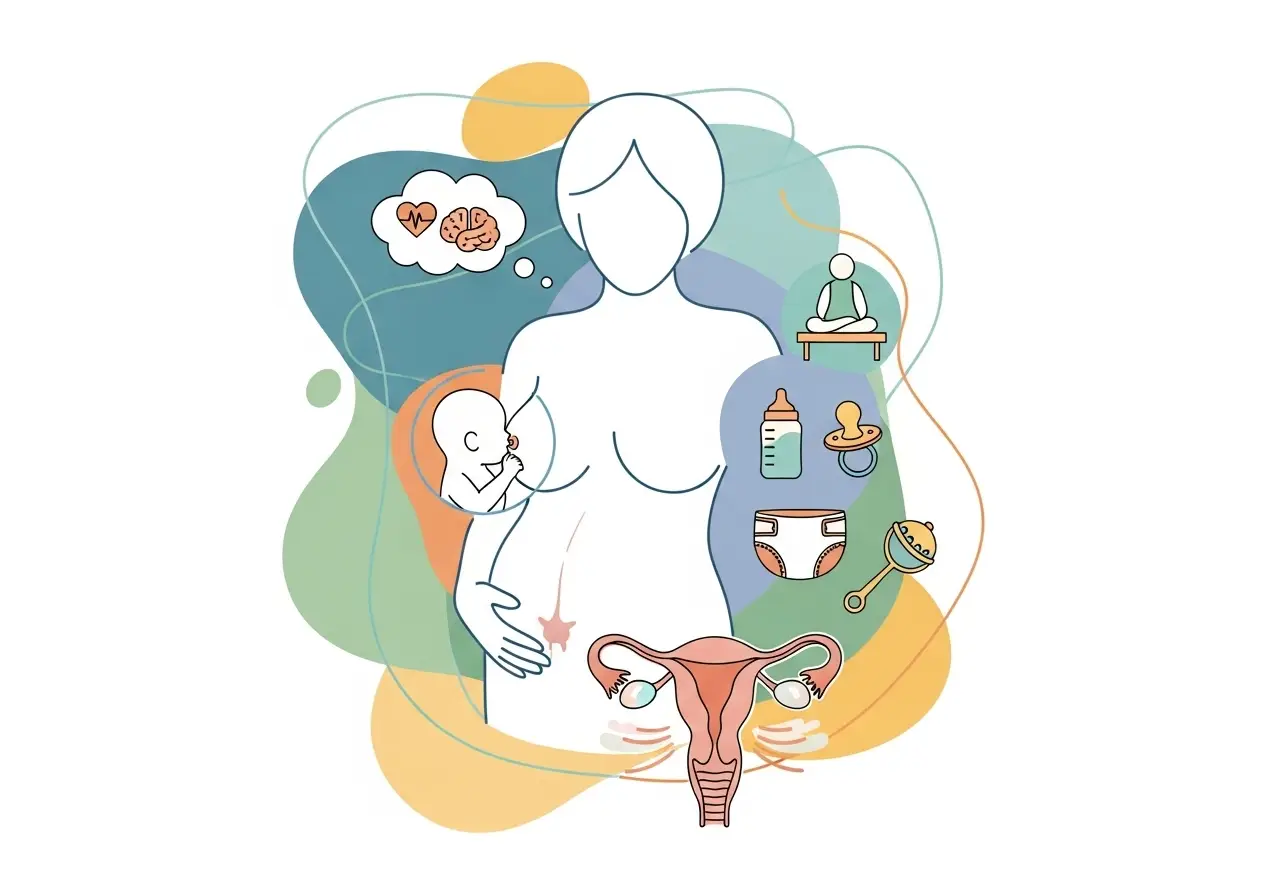
🧷 1. Uterine Involution
- What to Assess: The process of the uterus returning to its pre-pregnancy size.
- How to Monitor: The fundal height is checked daily in the hospital and during follow-up visits.
- Normal Findings: The uterus descends about 1 cm per day postpartum; by the end of 2 weeks, it should not be palpable abdominally.
💉 2. Lochia Observation
- What to Assess: Vaginal discharge after birth which includes blood, mucus, and uterine tissue.
- Types of Lochia:
- Lochia Rubra (1–3 days): Bright red blood
- Lochia Serosa (4–10 days): Pink or brown-tinged discharge
- Lochia Alba (10–28 days): Yellow-white discharge
- Warning Signs: Foul odor, excessive bleeding, or return of bright red bleeding may indicate infection or delayed involution.
🤱 3. Breast Condition & Lactation
- What to Assess:
- Breast engorgement
- Nipple condition (cracks, bleeding, soreness)
- Milk production and infant latch
- Support: Provide guidance on proper latching techniques and breast care to prevent mastitis and encourage successful breastfeeding.
🧠 4. Mental Health (Postpartum Depression Signs)
- What to Assess: Emotional well-being of the mother.
- Look for Signs:
- Excessive crying
- Sleep disturbances (not due to baby care)
- Feelings of guilt, worthlessness, or hopelessness
- Lack of interest in the baby or activities
- Referral: Early screening and referral to mental health services if symptoms persist beyond “baby blues” (which typically resolve within 2 weeks).
🩹 5. Perineal Healing or C-Section Wound Care
- Perineal (Vaginal Birth):
- Monitor episiotomy/laceration site for signs of healing or infection.
- Provide hygiene education (sitz baths, proper wiping, etc.)
- C-Section:
- Check incision for redness, swelling, discharge, or dehiscence.
- Educate on signs of infection and wound care.
👶 6. Baby Bonding and Breastfeeding Guidance
- What to Encourage:
- Skin-to-skin contact
- Responsive feeding
- Eye contact and gentle touch
- Monitor:
- Frequency and duration of breastfeeding
- Baby’s weight gain and output (wet diapers)
💑 7. Family Planning Counseling
- Why It’s Important:
- Ovulation can return before menstruation.
- Short birth intervals can negatively impact maternal and newborn health.
- Discuss Options:
- Lactational Amenorrhea Method (LAM)
- Barrier methods
- Hormonal contraceptives (as per medical eligibility)
- Permanent methods (if desired and eligible)
💡 Note: Always involve the mother’s partner or support system when appropriate and desired, to promote shared responsibility and better support.
Health Assessment for the Elderly (60+ Years) https://besthealthfunda.blogspot.com/
Aging is a natural process, and with it comes specific health needs that must be assessed regularly. Health assessment for the elderly is vital in ensuring optimal quality of life, maintaining independence, and preventing complications. Here are the key areas to focus on:
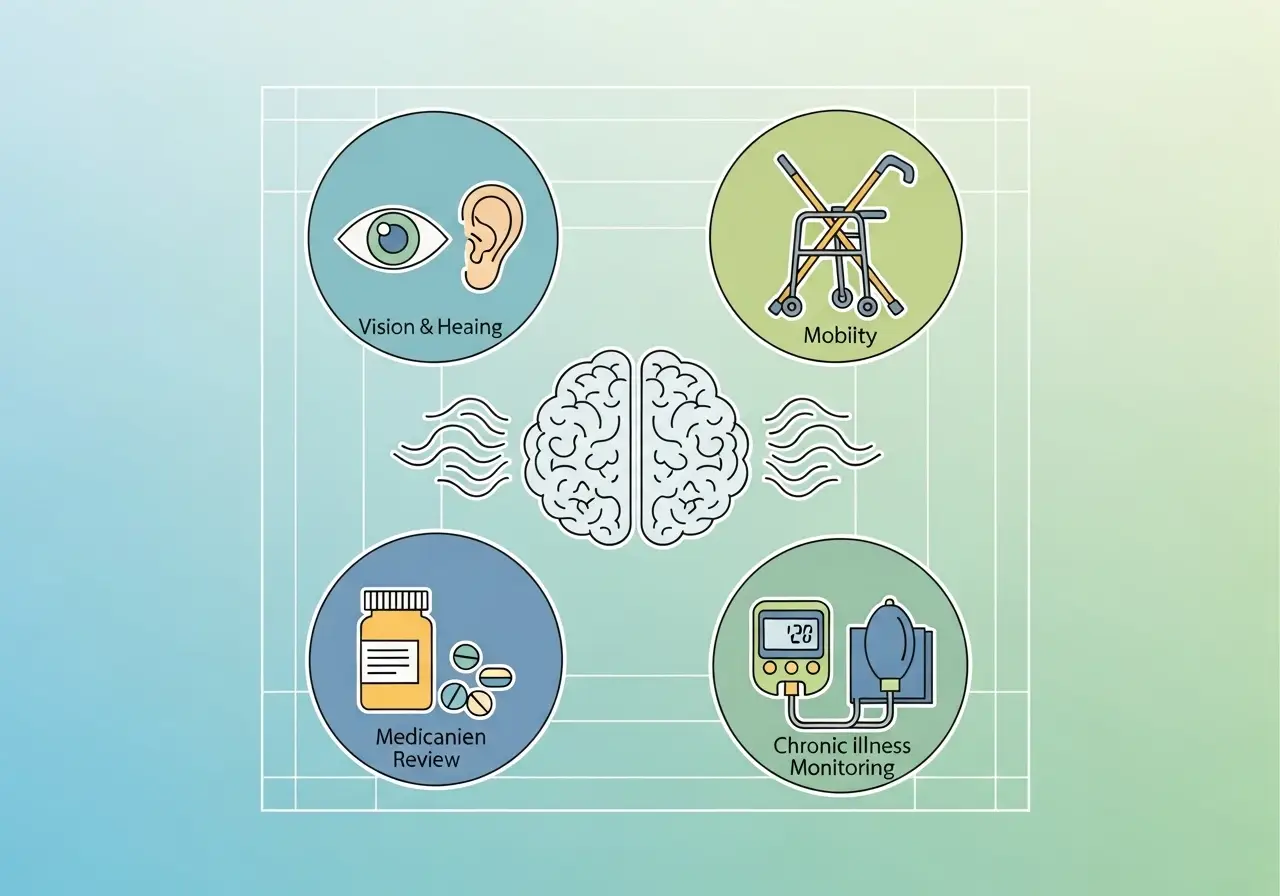
👁️ 1. Vision & Hearing Assessment
- Vision: Regular eye examinations help detect cataracts, glaucoma, and macular degeneration—all common in aging.
- Hearing: Age-related hearing loss (presbycusis) is common. Audiometric tests should be part of routine screening, especially if the individual reports difficulty in communication. https://besthealthfunda.blogspot.com/
🧠 2. Cognitive Function (Memory, Orientation)
- Screening for cognitive decline is essential to detect early signs of dementia or Alzheimer’s disease.
- Simple tools like the Mini-Mental State Examination (MMSE) or MoCA (Montreal Cognitive Assessment) can be used.
- Observe for issues like forgetfulness, confusion, or difficulty concentrating.
🚶 3. Mobility and Fall Risk
- Evaluate gait, balance, and coordination to assess the risk of falls—one of the leading causes of injury among the elderly.
- Use tools like the Timed Up and Go (TUG) test.
- Assess for the need of assistive devices (walkers, canes) and suggest home modifications for safety.
❤️🩹 4. Chronic Illness Monitoring
Common conditions to monitor:
- Arthritis – Evaluate pain, joint stiffness, and impact on daily activities.
- Diabetes – Monitor blood glucose levels, foot health, and signs of complications.
- Hypertension – Regular BP checks are vital to prevent cardiovascular events.
Ensure adherence to treatment plans and encourage regular medical follow-ups.
💊 5. Medication Review
- Elderly individuals often take multiple medications (polypharmacy). Review for:
- Drug interactions
- Side effects
- Dosage appropriateness
- Encourage medication reconciliation during every health visit.
- Educate on proper storage, timing, and adherence.
🍽️ 6. Nutritional Deficiencies & Dental Health
- Assess dietary habits and screen for malnutrition or vitamin deficiencies (especially Vitamin D, B12, calcium).
- Dental health affects nutrition. Look for:
- Tooth decay
- Gum disease
- Dentures fit and function
- Recommend balanced diets, hydration, and oral hygiene practices.
🤝 7. Psychosocial Well-being & Support System
- Evaluate for depression, anxiety, and loneliness—all common in elderly, especially those living alone.
- Check for:
- Social interactions
- Family support
- Access to community services
- Encourage participation in social activities, hobby groups, or day-care centers for the elderly.