
Telemedicine and Virtual Care in nursing
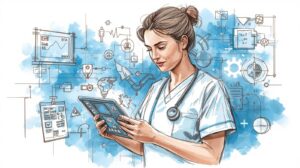
Introduction of Telemedicine and Virtual Care in Nursing
Telemedicine – The healthcare industry has witnessed a rapid transformation over the last few decades, driven by advancements in digital technology, communication networks, and global health needs. Among the most significant developments is Telemedicine, a practice that uses telecommunications and digital information technologies to deliver healthcare services remotely. When coupled with virtual care, it represents a paradigm shift in how healthcare is accessed, delivered, and managed.
For the nursing profession, telemedicine and virtual care have redefined roles, responsibilities, and patient engagement strategies. Nurses are now not only caregivers but also digital health facilitators, using technology to extend care beyond hospital walls and into patients’ homes and communities. The integration of telehealth tools allows nurses to monitor chronic diseases, provide education, triage patients, and participate in multidisciplinary care teams remotely.
Definitions and Key Concepts:
-
Telemedicine: Broadly refers to healing at a distance. It encompasses a wide range of technologies and services to provide remote clinical care. For nurses, this might involve remote monitoring, telehealth consultations, or medication management via video calls.
-
Virtual Care: A more encompassing term that includes telemedicine but also extends to other forms of remote healthcare delivery. It emphasizes a patient-centered approach where care is delivered through various digital platforms, focusing on convenience and accessibility. This can include patient portals, mobile health (mHealth) apps, and even AI-driven health assistants.
-
Telehealth Nursing: A specialized area of nursing practice that uses telecommunications technology to deliver nursing care and services to patients at a distance. It requires specific competencies related to technology use, remote assessment, and patient education in a virtual environment.
Historical Background
The concept of telemedicine is not new. As early as the 19th century, the telegraph and later the telephone were used to transmit medical information across distances. The 20th century brought radio-based medical advice for ships at sea and remote communities. However, the modern telemedicine revolution began in the late 20th and early 21st centuries, with the emergence of the internet, digital imaging, mobile devices, and cloud-based systems.
The COVID-19 pandemic (2020) was a watershed moment for telemedicine. Lockdowns and infection control measures accelerated the adoption of remote healthcare solutions. Nurses were at the forefront of this transformation—providing patient triage, monitoring, education, and emotional support through digital platforms. This experience has cemented telemedicine and virtual care as permanent fixtures in modern nursing practice.
Types of Telemedicine and Virtual Care
Telemedicine and virtual care can be classified into several categories based on their mode of delivery and function:
1. Synchronous Telemedicine
Real-time, two-way communication between a healthcare provider and patient through video conferencing or telephone.
Example: Virtual consultations, telepsychiatry sessions, or nurse-led tele-triage.
2. Asynchronous Telemedicine (Store-and-Forward)
Medical data such as images, videos, or patient records are transmitted and reviewed later by a healthcare provider.
Example: Teleradiology or teledermatology where nurses upload images for specialist review.
3. Remote Patient Monitoring (RPM)
Continuous or periodic collection of patient data (e.g., heart rate, glucose level, blood pressure) via wearable or home-based devices, which nurses monitor and interpret.
Example: Monitoring diabetic or cardiac patients through connected devices.
4. Mobile Health (mHealth)
Healthcare services delivered through mobile applications and wearable technologies. Nurses can guide patients through mobile health coaching, medication reminders, and lifestyle tracking apps.
5. Tele-education and eHealth Nursing
Virtual platforms for professional development and patient education. Nurses use webinars, e-learning modules, and virtual simulation tools to enhance both patient literacy and nursing competency.
Components of Telemedicine Systems
To understand the nursing role in telemedicine, it is important to recognize its technological and operational components:
- Communication Tools: Video conferencing software (Zoom, Microsoft Teams, Doxy.me), secure messaging platforms.
- Hardware: Computers, smartphones, tablets, webcams, microphones, and monitoring devices.
- Software: Electronic Health Records (EHRs), telehealth platforms, and patient management systems.
- Connectivity: High-speed internet or broadband for seamless data transfer.
- Data Security Protocols: HIPAA compliance, encryption, authentication systems.
- Clinical Protocols: Standardized procedures for virtual assessments, consent, and documentation.
Role of Nurses in Telemedicine and Virtual Care
The nursing profession plays a critical and multifaceted role in the successful implementation and operation of telemedicine services. Below are the key functions and responsibilities:
1. Tele-triage and Remote Assessment
Nurses assess patient symptoms via phone or video, prioritize care needs, and determine whether an in-person visit is required. This function is crucial in emergency and primary care settings.
2. Chronic Disease Management
Tele-nurses manage patients with chronic conditions such as diabetes, hypertension, asthma, or heart failure. Through continuous monitoring, education, and follow-up, nurses help maintain treatment adherence and prevent complications.
3. Patient Education and Health Promotion
Using virtual platforms, nurses provide education about medication, diet, exercise, wound care, and lifestyle modifications. They also teach patients how to use digital health devices and apps effectively.
4. Mental Health Support
Telepsychiatry and virtual counseling have become vital avenues for delivering emotional and psychological support. Nurses act as empathetic listeners and educators in these sessions, reducing stigma and improving access to care.
5. Coordination and Case Management
Nurses coordinate care among multidisciplinary teams — physicians, pharmacists, therapists — ensuring continuity and communication in virtual settings.
6. Data Collection and Documentation
Nurses record and interpret patient data from wearable devices or self-reported information, ensuring accurate and timely entry into digital records.
7. Advocacy and Ethical Guidance
Nurses advocate for patient rights, informed consent, and data privacy in digital environments. They educate patients about cybersecurity risks and safe online health practices.
8. Professional Development
Virtual simulation tools, online training, and continuing education courses allow nurses to maintain clinical competency and stay updated with technological trends.
Benefits of Telemedicine and Virtual Care in Nursing
The integration of telemedicine offers multiple benefits to both patients and nurses:
For Patients:
-
Increased Accessibility: Especially for those in remote, rural, or underserved areas.
-
Reduced Travel and Cost: Eliminates transportation expenses and waiting times.
-
Continuity of Care: Regular follow-ups and monitoring reduce hospital readmissions.
-
Convenience and Comfort: Patients can consult from home, reducing stress and infection risk.
-
Enhanced Health Literacy: Digital education tools empower patients to manage their own health.
For Nurses and Healthcare Systems:
-
Efficiency: Streamlined communication and documentation improve time management.
-
Expanded Reach: Nurses can provide care to a larger population base.
-
Interprofessional Collaboration: Digital tools enhance teamwork and data sharing.
-
Job Flexibility: Remote nursing allows flexible work arrangements and better work-life balance.
-
Improved Outcomes: Continuous monitoring leads to early detection of health deterioration.
Challenges and Limitations
Despite its advantages, telemedicine and virtual care also present several challenges that nurses must navigate carefully:
1. Technological Barriers
Not all patients have access to stable internet, smartphones, or digital literacy. Nurses often need to assist or guide patients through technology use.
2. Data Privacy and Security
Cybersecurity threats, hacking, and unauthorized data sharing are major concerns. Nurses must adhere to strict confidentiality protocols and educate patients about online safety.
3. Lack of Physical Examination
The absence of tactile assessment limits diagnostic accuracy in some cases. Nurses must rely on observation, patient reporting, and remote devices for clinical evaluation.
4. Legal and Ethical Issues
Regulatory differences across regions, licensure limitations, and reimbursement issues can affect service delivery.
5. Human Connection and Empathy
Virtual interactions may lack the warmth of in-person communication. Nurses must develop new skills to express empathy and trust through digital means.
6. Workload and Burnout
Continuous screen time, high patient loads, and the demand for technical skills can contribute to fatigue and stress among nurses.
Ethical and Legal Considerations
The ethical principles of nursing — autonomy, beneficence, nonmaleficence, and justice — remain central to telemedicine practice. Nurses must ensure:
-
Informed Consent: Patients must understand the nature, benefits, and risks of virtual care.
-
Confidentiality: Compliance with data protection regulations such as HIPAA or GDPR.
-
Competency: Nurses should be adequately trained in telehealth technology.
-
Equity: Ensuring that all patients, regardless of socioeconomic status, have access to virtual care.
Legal aspects also include licensure regulations, cross-border practice restrictions, and documentation requirements to maintain accountability and professional standards.
Telemedicine Technologies in Nursing Practice
Some commonly used technologies include:
-
Wearable Devices: Smartwatches, glucometers, pulse oximeters, and ECG patches.
-
Telehealth Apps: MyChart, Amwell, Teladoc, and other patient portals.
-
AI and Predictive Analytics: Used to identify high-risk patients and predict health trends.
-
Electronic Health Records (EHRs): Integration of telehealth data for comprehensive patient management.
-
Robotic Telepresence: Nurses can remotely interact with patients using robotic devices in hospitals.
Education and Training for Nurses in Telehealth
Effective telemedicine requires specific skills beyond traditional nursing. Training programs should include:
-
Digital literacy and troubleshooting
-
Virtual communication and empathy
-
Data management and cybersecurity awareness
-
Ethical decision-making in online settings
-
Tele-assessment and remote monitoring protocols
Many nursing schools now incorporate telehealth modules and simulation labs to prepare graduates for digital healthcare environments.
Impact of COVID-19 on Telemedicine Nursing
The pandemic catalyzed the widespread adoption of telemedicine. Nurses became virtual front-liners, managing symptoms, conducting follow-ups, and providing health education from home. Key impacts include:
-
Mainstream acceptance of virtual visits
-
Development of remote triage systems
-
Expansion of tele-ICU and tele-home care models
-
Increased patient comfort with technology
-
New policies supporting telehealth reimbursement
These experiences have redefined nursing resilience and adaptability in crisis conditions.
Click Here to buy Health Products
Future of Telemedicine and Virtual Care in Nursing
The future of nursing is digital, data-driven, and patient-centered. Several trends are shaping the next generation of telehealth nursing:
-
Artificial Intelligence (AI): AI-driven clinical decision support tools will assist nurses in prioritizing care.
-
Virtual Reality (VR) and Augmented Reality (AR): Used in patient education, rehabilitation, and nurse training.
-
Blockchain in Health Records: Enhances data security and interoperability.
-
Predictive Analytics: Helps anticipate patient deterioration and optimize resource allocation.
-
Integration with Smart Homes: Internet of Things (IoT) will enable health monitoring through everyday devices.